What Surprised Me Most About Living in Spain
Helen Barklam
Last update: 2026-08-15
Helen Barklam
Last update: 2026-08-15
Before moving to Spain, I expected sunshine, beautiful beaches, late dinners and a more relaxed pace of life. All of those things are certainly part of it, but the reality of living here is far more interesting than the familiar picture presented in holiday brochures and television programmes.
It is the small, everyday details that have surprised me most — many of which still make me chuckle on a daily basis. The unspoken social rules, the importance of the calendar, the scale of a family beach outing and the fact that two towns only 20 minutes apart can feel like completely different worlds.
Of course, Spain is an enormously varied country and my experiences are particularly influenced by living in Andalucía. These are personal observations, rather than rules that apply to every Spanish person, but they are some of the things that have made living here so fascinating.
One of the first things I noticed was how beautifully people dress when they go out.
At weekends, particularly for lunch or dinner, Spanish families are often immaculately turned out. That includes the children. You might be sitting in a relaxed local restaurant, but that does not mean everyone will arrive dressed casually.
There is a real sense of occasion attached to going out. People take pride in their appearance and even relatively ordinary family lunches can feel like events.
Finding the clothes is not a problem. Finding the shoes can be.
As someone who wears a UK women’s size 8, I have discovered that larger women’s shoes can be surprisingly — and frustratingly — difficult to find. It is even harder for my husband, who wears a men’s size 12!
I knew that people ate later in Spain, but I had not appreciated quite how late ‘later’ could be.
During the summer, it is not unusual to see our neighbours sitting down for dinner at 11 o’clock at night. The children are not tucked up in bed either. They are frequently still playing outside with the energy of Duracell bunnies.
The rhythm of the day changes when it is very hot. Afternoons become quieter, then the streets, terraces and restaurants come alive again in the evening. Rather than fighting the heat, people work around it.
Once you begin adjusting to that timetable, an early British dinner can start to feel rather strange. But I must admit, I still can’t wait until 11 pm to eat.
One of the traditions I love most is that Sunday still feels different from the rest of the week.
Many supermarkets and shops close. Sunday is for rest, church, family and long lunches. Churros for breakfast also seem to be part of the rules.
Family remains enormously important. Multiple generations regularly gather around the same table and lunch is not something to be hurried before moving on to the next activity. It is the activity.
In Britain, Sunday trading has made the day feel increasingly similar to every other day of the week. Here, the pause is still noticeable. In some ways, it really does feel like going back in time. I hope it remains that way.
When Spanish families go to the beach, they really go to the beach.
They arrive with chairs, tables, umbrellas, cool boxes, toys, food and enough equipment to establish a small temporary village. Sometimes it appears that everything but the kitchen sink has made the journey.
A beach visit is not necessarily about lying silently on a towel for an hour. It is a social occasion and often an all-day family event, complete with a proper lunch.
It is another example of something Spain does especially well: turning ordinary time together into an occasion.
There is enormous pride in Spain’s culture and traditions. Here in Andalucía, ferias, flamenco, carnival, Easter processions and festivals celebrating local patron saints remain woven into community life.
These events are not staged only for tourists. Families participate in them year after year and children grow up understanding the traditions of their town.
Some customs, such as bullfighting, divide opinion. However, there is no denying the strength of the country’s connection to its history and regional identity.
The social culture is equally strong. Bars and restaurants are not reserved for special occasions. They are extensions of community life: places to meet friends, see family and spend time together.
The restaurant and bar culture appears to be thriving. Even during difficult economic periods, people seem determined to preserve the ritual of meeting for a drink, sharing tapas or enjoying a long meal.
There are rules around beer, too. It must be properly cold and, if you order another before finishing the one in front of you, your original glass may disappear while it still contains the final half-inch. Apparently, that last bit is not worth saving.
Spanish seasonal behaviour has also been a source of fascination.
There seems to be an unofficial date when using the air conditioning becomes acceptable. It does not necessarily matter how hot it is before then. The calendar has not authorised summer yet.
Clothing works in much the same way. You can find people walking around in coats and boots when it is 25 degrees because the winter wardrobe is not due to be put away until the end of May.
Coming from Britain, where a brief appearance by the sun can result in shorts being worn in February, this takes some adjustment.
Then there is August.
During August, much of Spain slows down dramatically. Banks may only open in the mornings, some of the genuinely local bars and restaurants close for annual holidays and administrative processes become even slower than usual.
If something involves a town hall, government department or local authority, there is a fair chance it will not be resolved until September. You quickly learn that August is not the ideal month to attempt anything bureaucratically ambitious.
Spain is generally less expensive than Britain and many parts of the US, particularly when it comes to eating and drinking out.
There are, however, exceptions. Cars can be surprisingly expensive, particularly used ones. Anyone relocating and expecting every major purchase to cost less may be in for a shock.
On the positive side, driving itself is often a joy compared with Britain. Away from the busiest cities and holiday routes, the roads can feel remarkably quiet. It is possible to cover much greater distances in less time and travelling between towns rarely feels like an ordeal.
Perhaps the greatest surprise has been discovering just how much variety exists, even within a relatively small area.
Jerez, El Puerto de Santa María and Cádiz are all close to where I live, yet they have entirely different personalities.
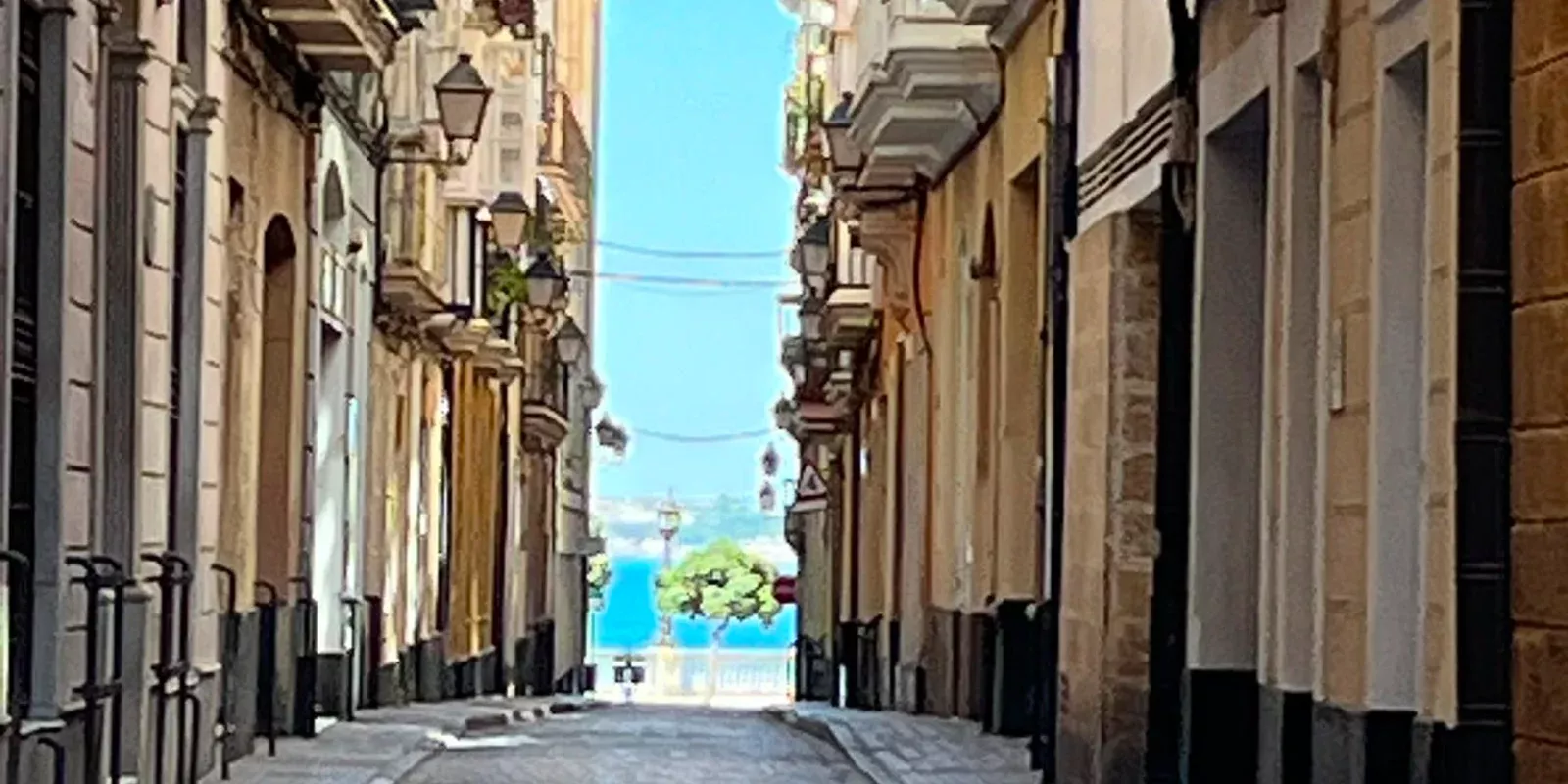
Cádiz feels almost island-like, surrounded by water and filled with plazas, narrow streets and tall buildings. Its history, light and relationship with the sea give it a character unlike anywhere else.
Jerez feels rather like a smaller Sevilla. It has elegant historic buildings, narrow streets and bodegas in the heart of the city, but its architecture and atmosphere are completely different from Cádiz.
El Puerto has around 16 kilometres of beaches, a river, a castle, an impressive basilica and deep links to Columbus and the Age of Discovery. It also has bars, restaurants and bodegas throughout the town.
It is perhaps less polished than Cádiz or Jerez. Beautifully renovated buildings can sit beside others that are visibly deteriorating, but that contrast is part of its character. El Puerto feels lived in rather than perfectly presented.
Travel farther around Spain and the differences become even more pronounced. The landscape, architecture, food, drink, language and traditions can change completely from one region to the next.
That may be what has surprised me most of all. There is no single version of ‘living in Spain’.
Life here is shaped by the town, the region, the season and the people around you. The more you explore, the more you realise how much there is still to discover.
And that is one of the greatest joys of making Spain home.
Helen Barklam knows both property and people. With more than 25 years in marketing and five years in luxury real estate, she brings the kind of insight that goes beyond listings - understanding what clients are truly looking for and finding it.
Over five years she has worked across the Costa del Sol, Almería and the Costa de la Luz, building rare breadth across Spain's most distinctive markets. Affiliated with eXp Global Spain, she works with clients worldwide - selling and finding exceptional properties.
.
Why Dubai Islands Is One to Watch
Discover why Dubai Islands is emerging as one of the city’s most exciting waterfront destinations. From its lifestyle appeal and global connectivity to its long-term investment potential, explore why this ambitious new area is one to watch.
A Cape Verde Property Investment with Three Years of Rental Returns Paid in Advance
Discover a limited collection of 50 apartments within a luxury Cape Verde resort, priced from €130,000. With professional rental management and a guaranteed 6% annual rental return for three years, paid in advance, they offer a more hands-off route into overseas property investment.
Why Spain Is Such a Wonderful Place for Families
Spain offers families far more than sunshine. From outdoor living and welcoming communities to a culture where children are included and family time matters, discover why Spain can provide such a rewarding lifestyle and what to consider when choosing the right place to call home.